From Pumpkins to Fallen Leaves: How Fall Naturally Feeds Your Land
Fall in North Georgia brings colorful leaves, cooler temperatures, and pumpkins decorating nearly every front porch. But what happens when those pumpkins begin to rot and the leaves start piling up?
Believe it or not, some of the things we typically consider fall cleanup can actually benefit our land! From decomposing pumpkins to fallen leaves, nature has its own way of recycling nutrients and preparing the soil for another growing season.
At Southern Brush, we know that healthy land starts from the ground up. Let's take a look at how some of your favorite fall traditions can give back to your property.
Pumpkins: More Than Just Fall Decorations
Once Halloween is over, most pumpkins end up in the trash. However, pumpkins are made of organic material that can be broken down and turned into nutrient-rich compost.
As pumpkins decompose, microorganisms break down their organic matter, helping create compost that can improve soil health.
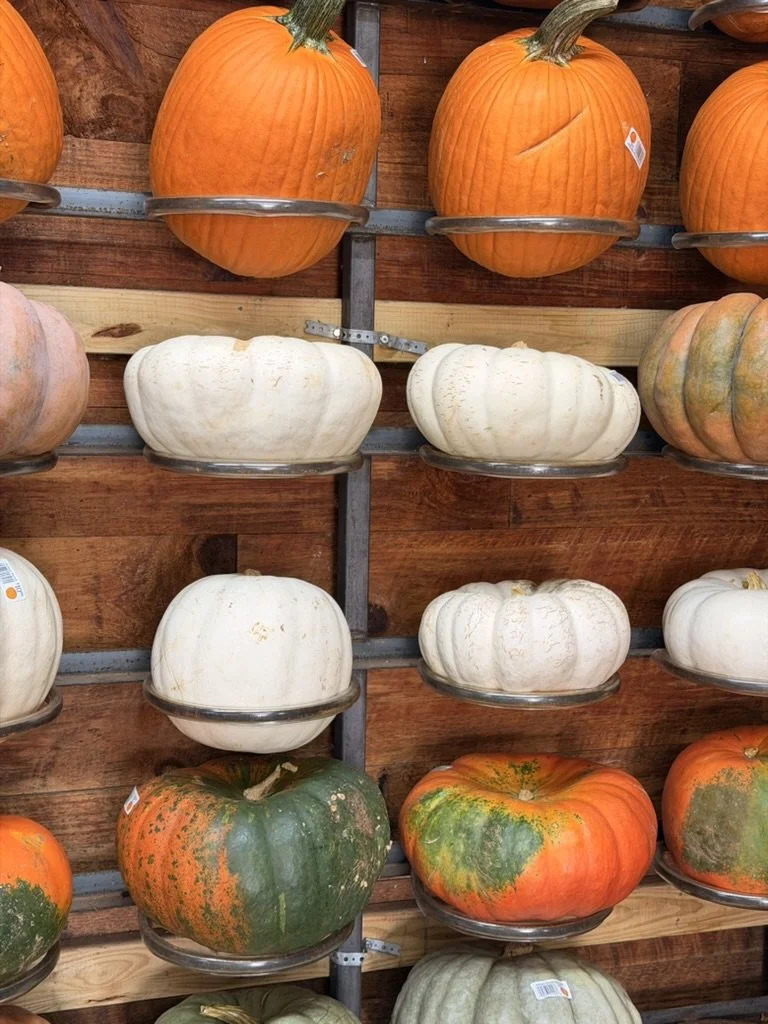
Some benefits of composting pumpkins include:
Adding organic matter: Finished pumpkin compost can improve soil structure and support plant growth.
Supporting beneficial microorganisms: Decomposition provides food for organisms involved in healthy soil ecosystems.
Reducing unnecessary waste: Composting pumpkins keeps organic material out of landfills.
Preparing for spring: Finished compost can be used in gardens and landscape beds when the next growing season arrives.
Fall tip: Instead of throwing away your old pumpkins, remove any candles, paint, or decorations and chop the untreated pumpkin into smaller pieces before adding it to a compost pile. Mixing it with dry leaves helps balance the compost materials.
Just remember that tossing pumpkins into the woods isn't the same as composting. Dumping pumpkins in natural areas can harm native plants and attract wildlife to unsafe locations.
Fallen Leaves: Nature's Free Mulch
If you've ever looked outside during October or November and felt overwhelmed by the amount of leaves covering your yard, here's some good news: those leaves aren't necessarily a problem!
As leaves decompose, they return organic matter and nutrients to the soil. This natural process helps maintain soil health and supports the organisms living beneath the surface.
When used correctly, fallen leaves can:
Improve soil structure: Decomposed leaves contribute organic matter that supports healthier soil.
Help retain moisture: Leaf mulch reduces moisture loss from exposed soil.
Protect plant roots: Leaves provide insulation during colder temperatures.
Support wildlife: Leaf litter creates shelter for beneficial insects and other small animals.
Reduce weeds: A layer of leaf mulch can help prevent weed growth in landscape beds.
According to the University of Georgia Cooperative Extension, fallen leaves can be reused as natural mulch around trees, shrubs, and garden beds rather than being discarded.
Can Too Many Leaves Be Bad for Your Property?
While fallen leaves offer plenty of benefits, that doesn't mean they should be left everywhere.
Thick layers of wet leaves can block sunlight and airflow from reaching your lawn, potentially damaging the grass beneath them.
Leaves can also accumulate around drainage systems, gutters, and other areas where water needs to flow freely.
The key is finding the right balance!
Consider relocating excess leaves to garden beds, composting them, or using a mulching mower to break them into smaller pieces. These methods help return organic material to the soil without overwhelming your lawn.
Healthy Land Starts With Proper Property Care
Nature does an incredible job of recycling organic material, but maintaining a healthy and functional property sometimes requires a little extra help.
While decomposing leaves and compost can improve soil conditions over time, they can't solve larger issues such as poor drainage, severe erosion, unwanted vegetation, or uneven terrain.
That's where Southern Brush comes in!
From forestry mulching and land clearing to grading, drainage solutions, and site preparation, our team helps North Georgia property owners make the most of their land.
Whether you're maintaining an established property, clearing space for a future project, or addressing drainage concerns before winter, proper land management creates a strong foundation for what's next.
Give Your Land a Little Love This Fall!
This season, think twice before tossing those pumpkins or bagging every fallen leaf. Sometimes, what looks like yard waste is actually an opportunity to give back to the soil.
And when your property needs more than nature can provide, Southern Brush is here to help.
Ready to transform your property? Contact Southern Brush today for a free estimate!
📞 Call 678-780-9882
📍 Proudly serving Dawsonville, Dahlonega, Cumming, Gainesville, Canton, Alpharetta, and Fulton.