Don’t Wait for Heavy Winter Rain: Fix These Drainage Problems This Fall
A little standing water may not seem like a major problem during the summer, but once North Georgia moves into wetter fall and winter weather, drainage issues can quickly become more noticeable — and more expensive.
Water naturally looks for the easiest path across a property. When grading, drainage systems, ditches, or culverts are not directing it properly, that water can create erosion, wash out driveways, damage landscaping, and leave areas of your property constantly muddy or unusable.
Fall is a smart time to identify and correct drainage problems before heavier seasonal rain makes them worse.
Standing Water Around Your Property
If water stays in the same areas long after a storm has passed, it may be a sign that the ground is not properly graded or that there is nowhere for the water to drain.
Standing water can create:
Muddy areas
Soil erosion
Damage to grass and landscaping
Difficult vehicle or equipment access
Water collecting near structures
Proper grading can help redirect water away from problem areas and toward a safer drainage location.
Erosion Is Starting to Form
Small channels or washed-out areas in your yard may not look serious at first, but erosion can worsen quickly.
Repeated rainfall follows the same path, carrying soil with it each time. Over time, a small drainage path may turn into a much larger washout.
Fall is a good time to address these areas while they are still manageable.
Depending on the property, solutions may include grading, reshaping slopes, improving drainage paths, or installing or repairing drainage infrastructure.
Your Driveway Washes Out After Rain
Gravel driveways are especially vulnerable when water is allowed to travel directly down or across them.
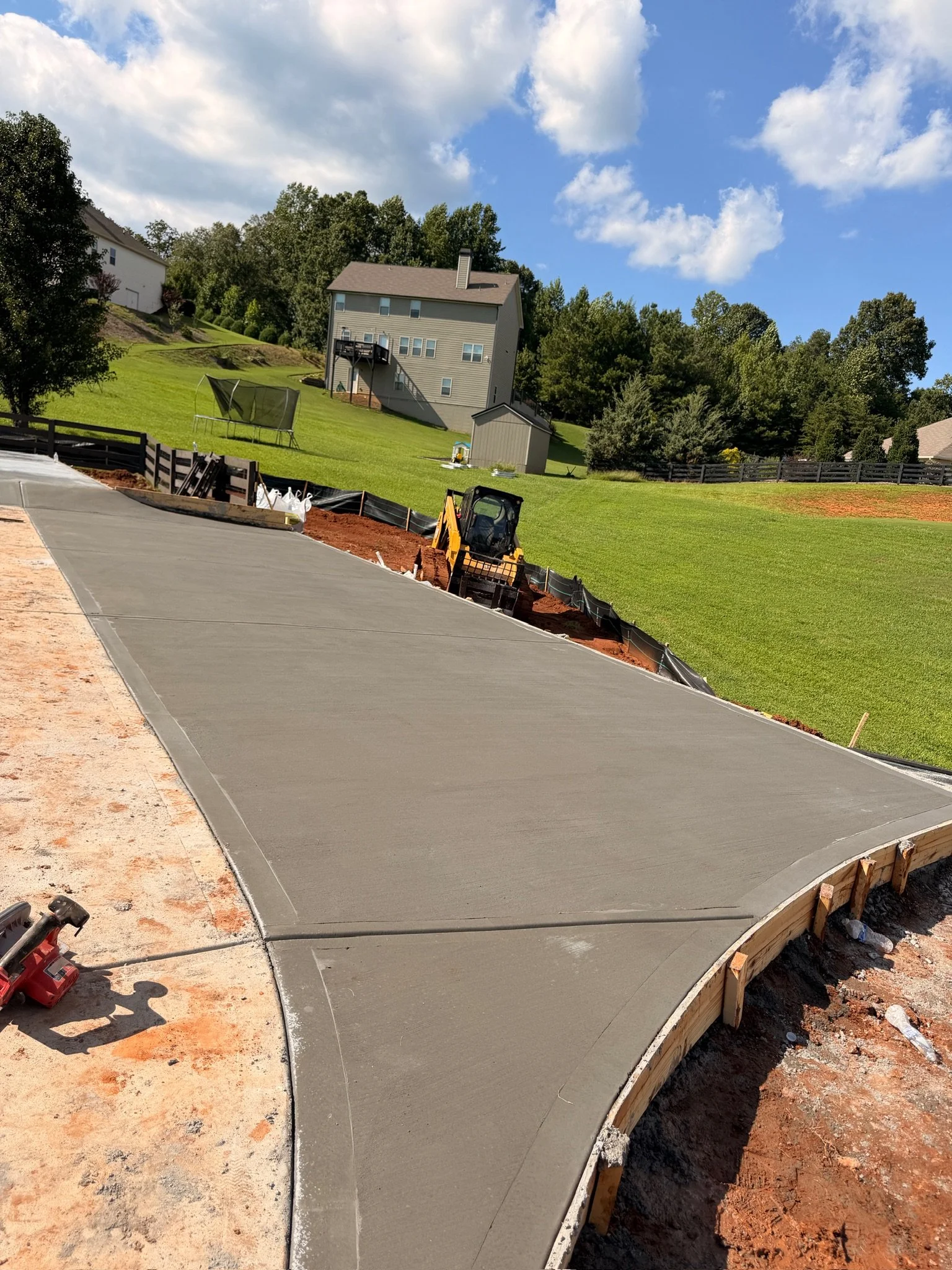
Signs of drainage problems may include:
Ruts
Exposed soil
Gravel collecting at the bottom of a hill
Potholes
Soft or muddy areas
Sections of the driveway repeatedly washing away
Simply adding more gravel may temporarily improve the appearance, but if drainage is the real problem, the same damage will continue happening.
Correcting the way water moves around the driveway can help protect the work being done.
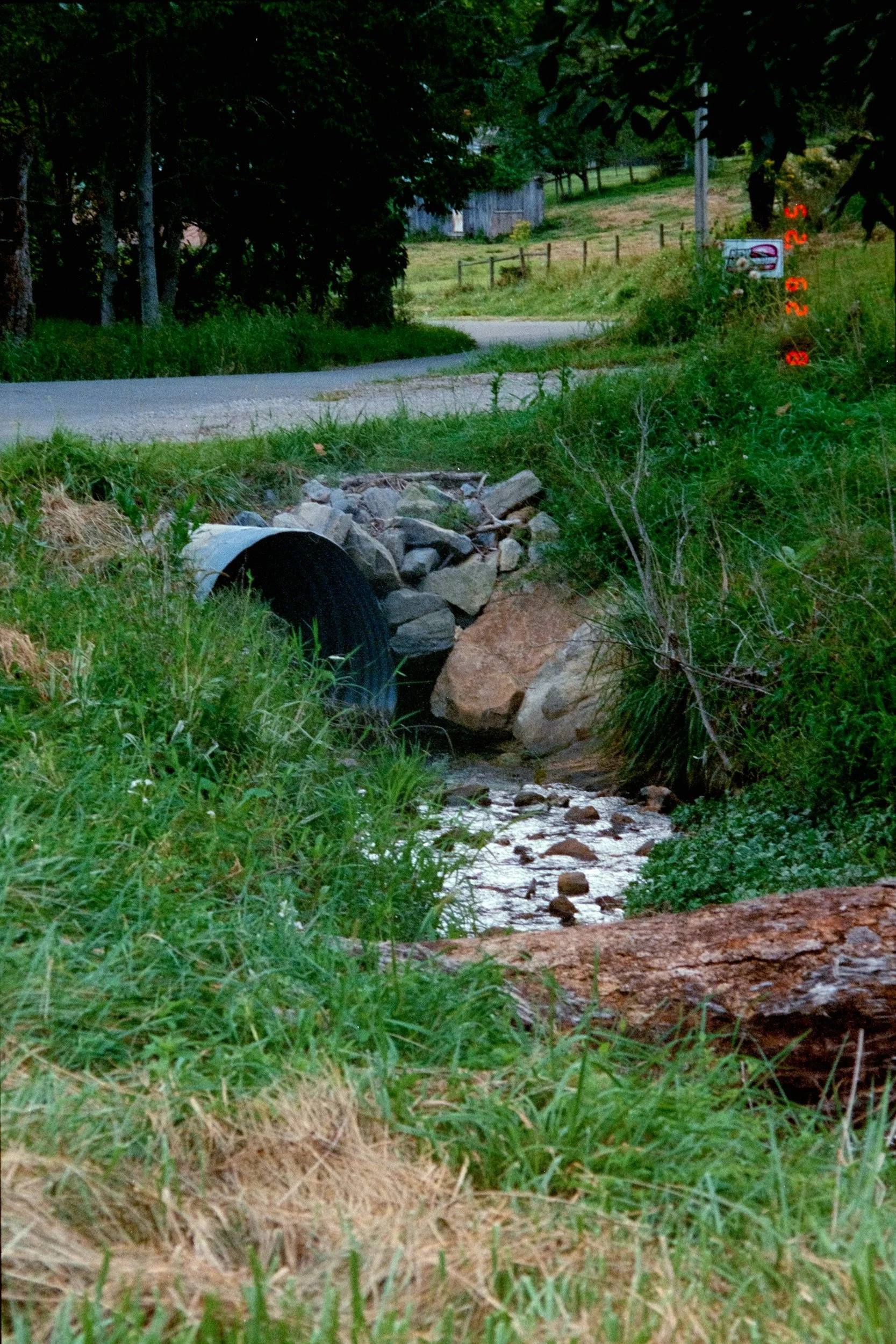
Culverts or Ditches Are Not Working Properly
Culverts and drainage ditches play an important role in moving water safely across or away from a property.
Leaves, debris, sediment, brush, or damage can prevent these systems from working correctly.
Fall is an especially important time to inspect drainage areas because falling leaves and vegetation can quickly create blockages.
If water begins backing up around a culvert or ditch, it may find another path — often across a driveway, yard, or other area you do not want it to go.
Water Is Moving Toward a Structure
Water should generally be directed away from homes, garages, barns, shops, and other structures.
If the ground slopes toward a building or water consistently collects nearby, grading may need to be corrected.
While every property is different, addressing drainage before the wettest months of the year can help reduce the chance of larger issues developing.
Fall Is the Time to Get Ahead of the Problem
Drainage problems rarely improve on their own.
In many cases, the longer water is allowed to repeatedly travel through the wrong area, the more damage it creates.
Taking care of grading, drainage, driveway repair, culvert work, or erosion control in the fall allows your property to be better prepared before winter rain arrives.
It can also help prevent you from spending money repairing the same damaged areas repeatedly.
Southern Brush Can Help Protect Your Property
Southern Brush provides grading, excavation, land clearing, driveway work, drainage solutions, and other site services throughout North Georgia.
If you have noticed standing water, erosion, washouts, or areas of your property that never seem to drain correctly, now is a great time to have the problem addressed.
Ready to transform your property? Contact us today for a free estimate!
📞 Call 678-780-9882
📍 Proudly serving Dawsonville, Dahlonega, Cumming, Gainesville, Canton, Alpharetta, and Fulton.